
I’m pretty sure it was the day after I hiked the Eagle Rock Trail that I decided to spend a night on an island in Lake Onawa. If you’ve seen (or read) my Borestone Mountain or Barren Mountain videos (or posts), you’ve seen glimpses of Lake Onawa, a spring-fed, coldwater lake (or pond, depending on who you ask) nestled in the heart of Bodfish Valley. Every climb up Borestone (and, to a lesser degree, Barren as well) ends with a sweeping view of all of Lake Onawa. When the light is right, you can look through the water and see enormous rocks just beneath the surface. Many times, even from those elevated vantage points, you’ll see kayakers, canoers, boaters, etc. enjoying the lake.
Day 1
I’ve taken many trips to the Onawa Trestle (a.k.a. the Ship Pond Viaduct) over the years, including an excursion down the steep embankment to Ship Pond Stream as it flows toward Sebec Lake. For years, I stared down at this sparkling sapphire glinting between the surrounding peaks, but I’d never been in it (or on it, I guess). Today (and tomorrow) was my opportunity to change that.
Lake Onawa
Onawa comes from a Wabanaki word meaning awake or awaken. And Wabanaki, an indigenous confederacy, means People of the Dawnland. It’s likely the member nations fished from this lake in centuries past. Stuck in a kayak, floating across the water between the mountains, it’s hard not to feel at least a little smaller than before.
Earlier that day, I packed the essentials (and some not-so-essentials), including my hammock setup, and borrowed my sister’s kayak for the night. Some really cool people dropped me off at the public boat landing: I said good-bye for the evening and paddled away.
Setting out, I didn’t have a particular island in mind, so I paddled around for a while, just enjoying the pleasant air and calm water. I turned around a few times to admire the “other” side of Borestone Mountain. As far as I’m aware, there’s no trail up its eastern slope—certainly no official trail, but I’m not aware of any unofficial trails, either.
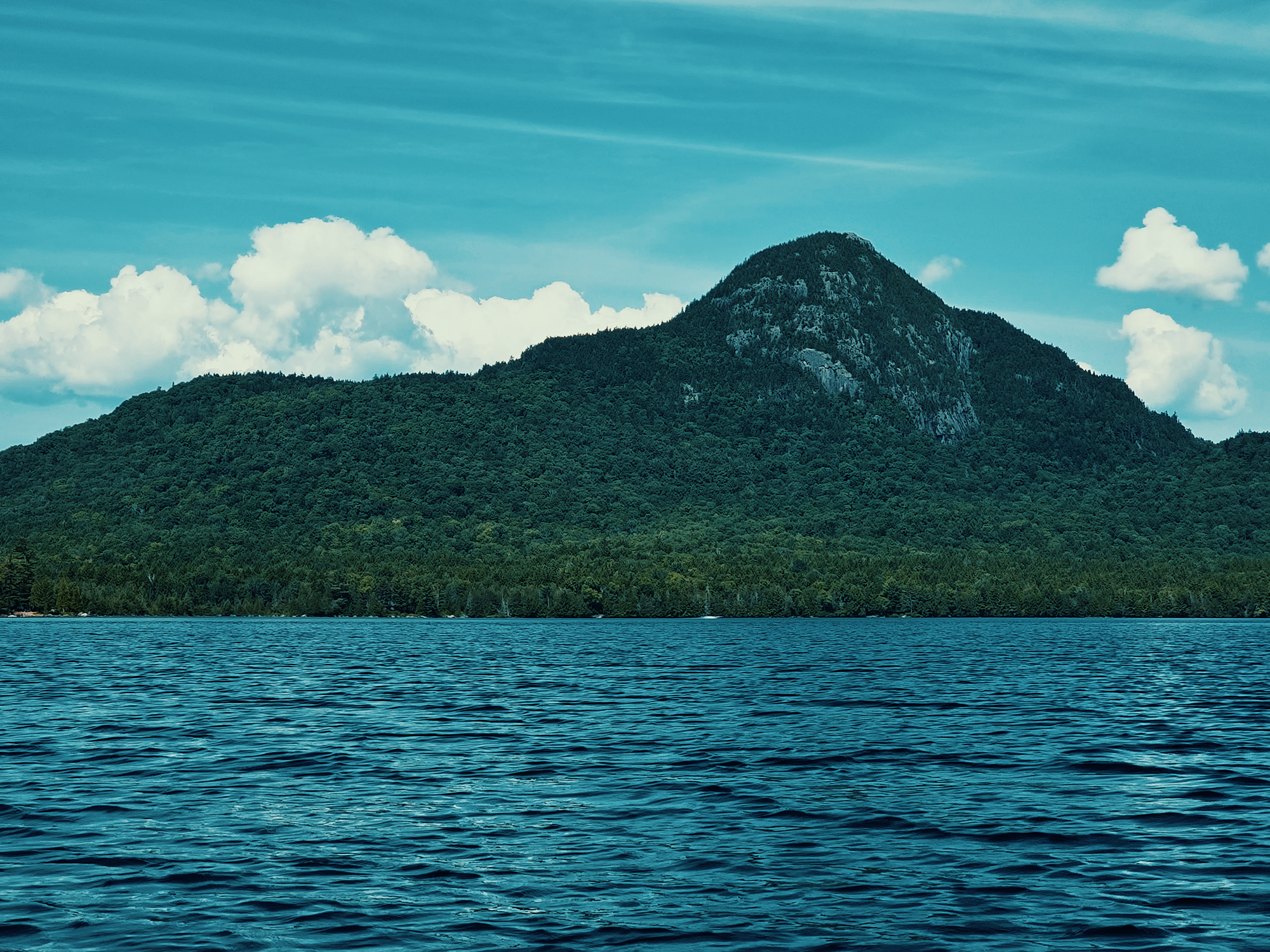
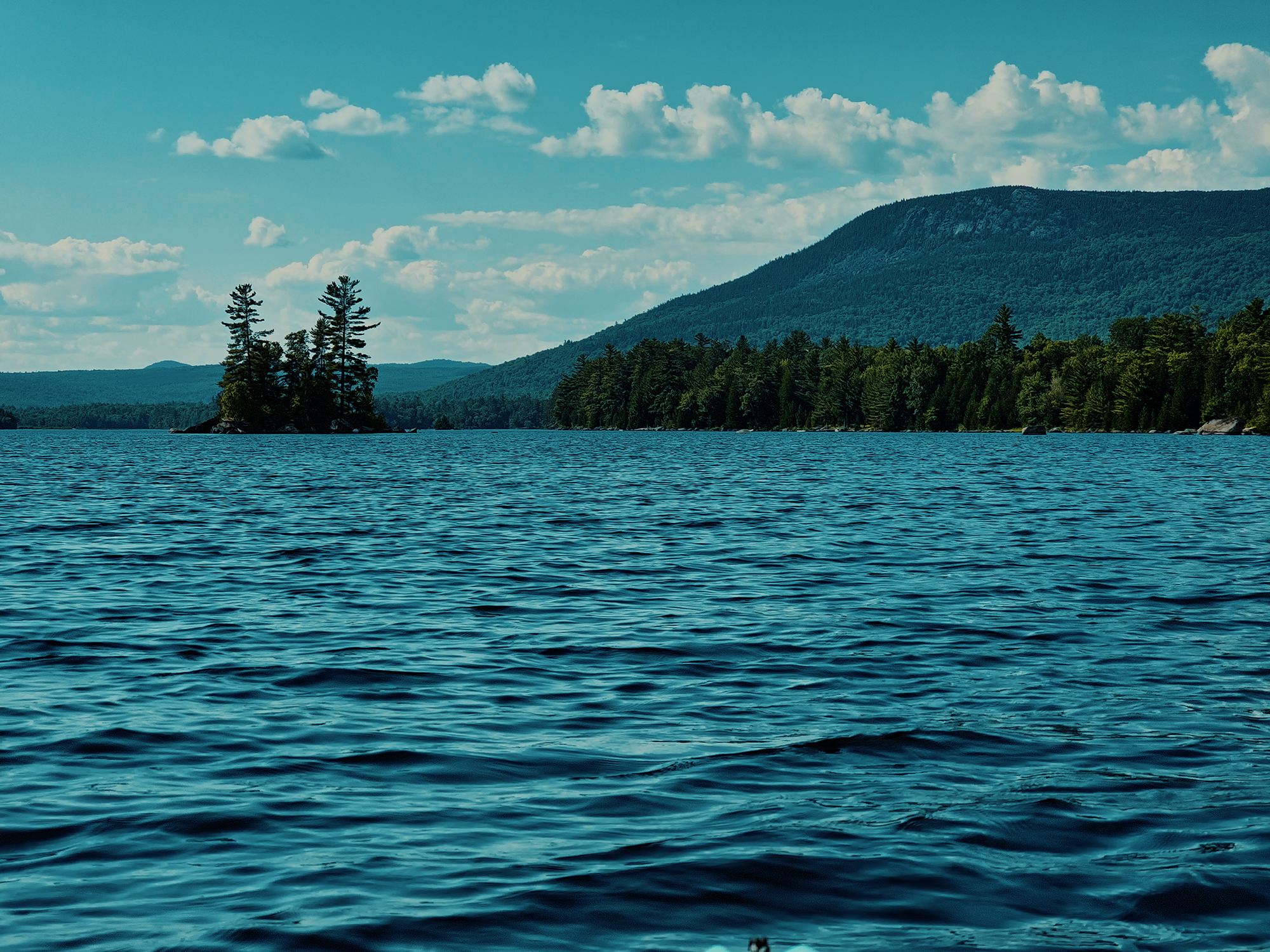
I should have paddled farther north, but after enjoying views of Borestone and Barren Mountains, I decided to settle on an island and get my stuff set up.
I reached out to members of the Onawa community to make sure there wouldn’t be any problems spending the night out here, and I was assured that while almost every foot of mainland frontage is private, the islands themselves are not. I don’t know how many islands Onawa has, but I skipped at least three or four before deciding this guy—one of the smallest, I think—was my destination:
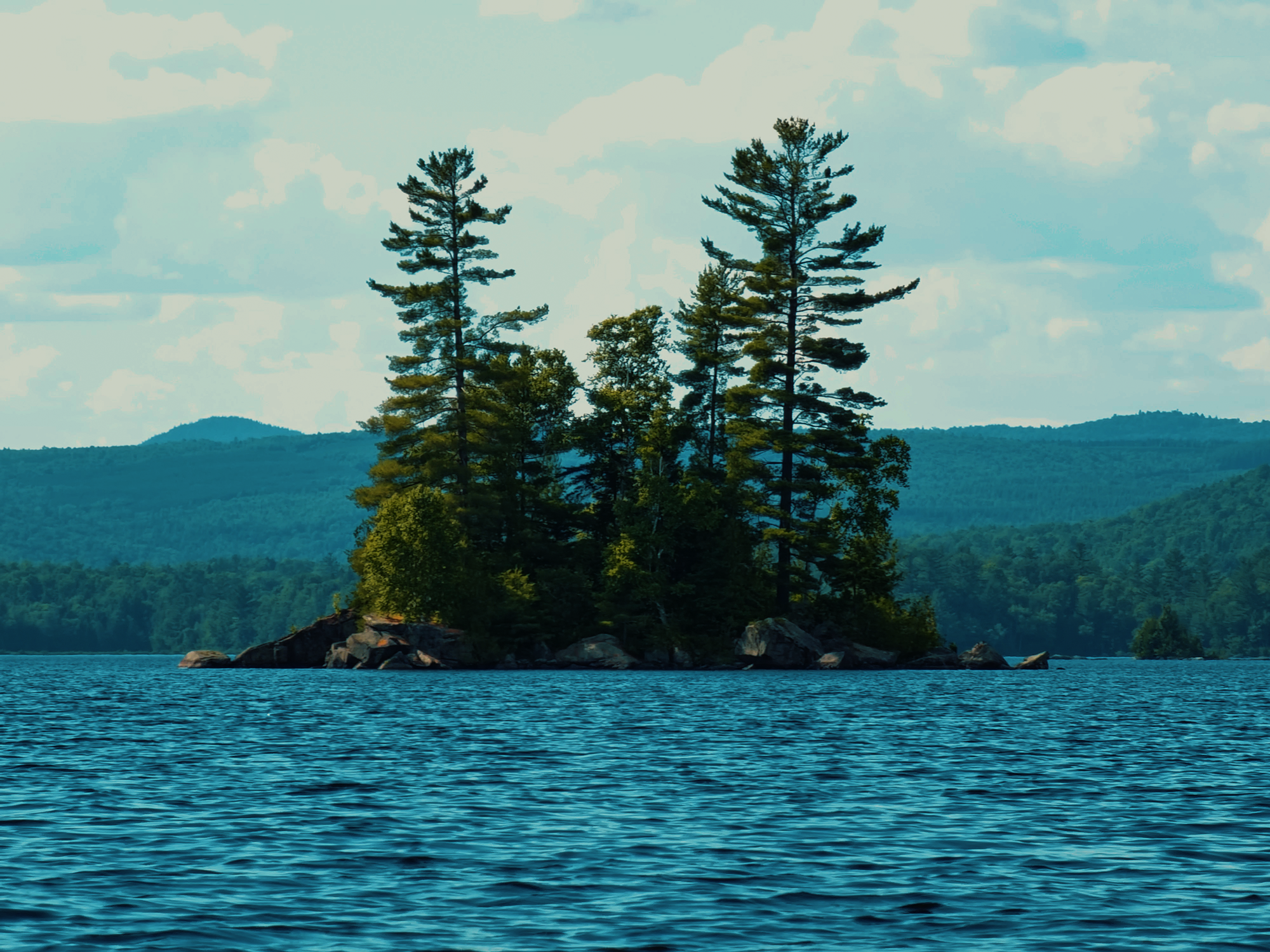
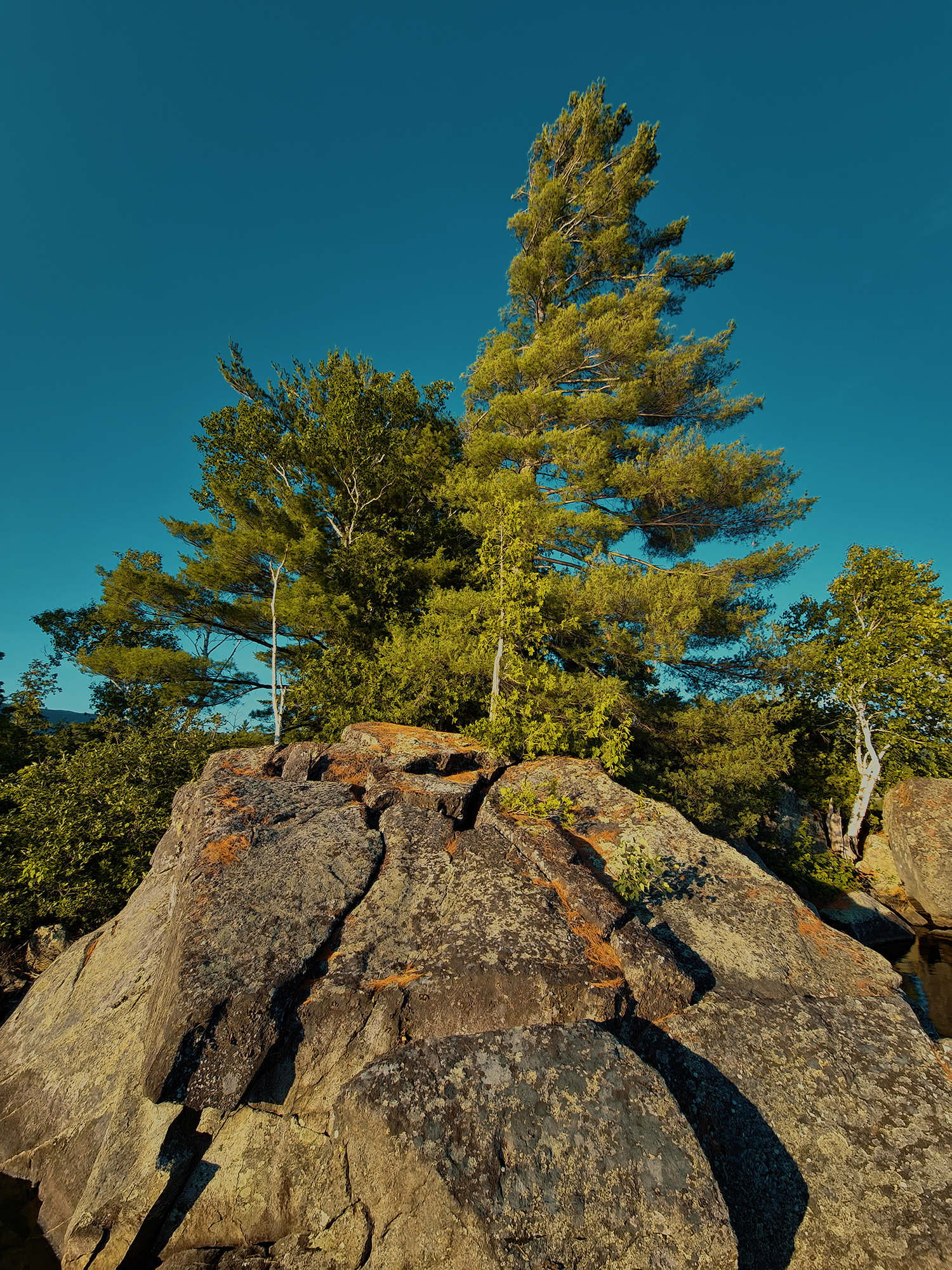
The island
These islands—this island, anyway—don’t readily accommodate visitors! I paddled around it a couple of times trying to locate the best place to exit the kayak without dumping all my gear into the lake. There was no best place, so I settled on the least bad place and made it work. I hauled the kayak up out of the water and tucked it between some rocks, then carried my pack into the “interior,” where I scouted a place to hang my hammock.
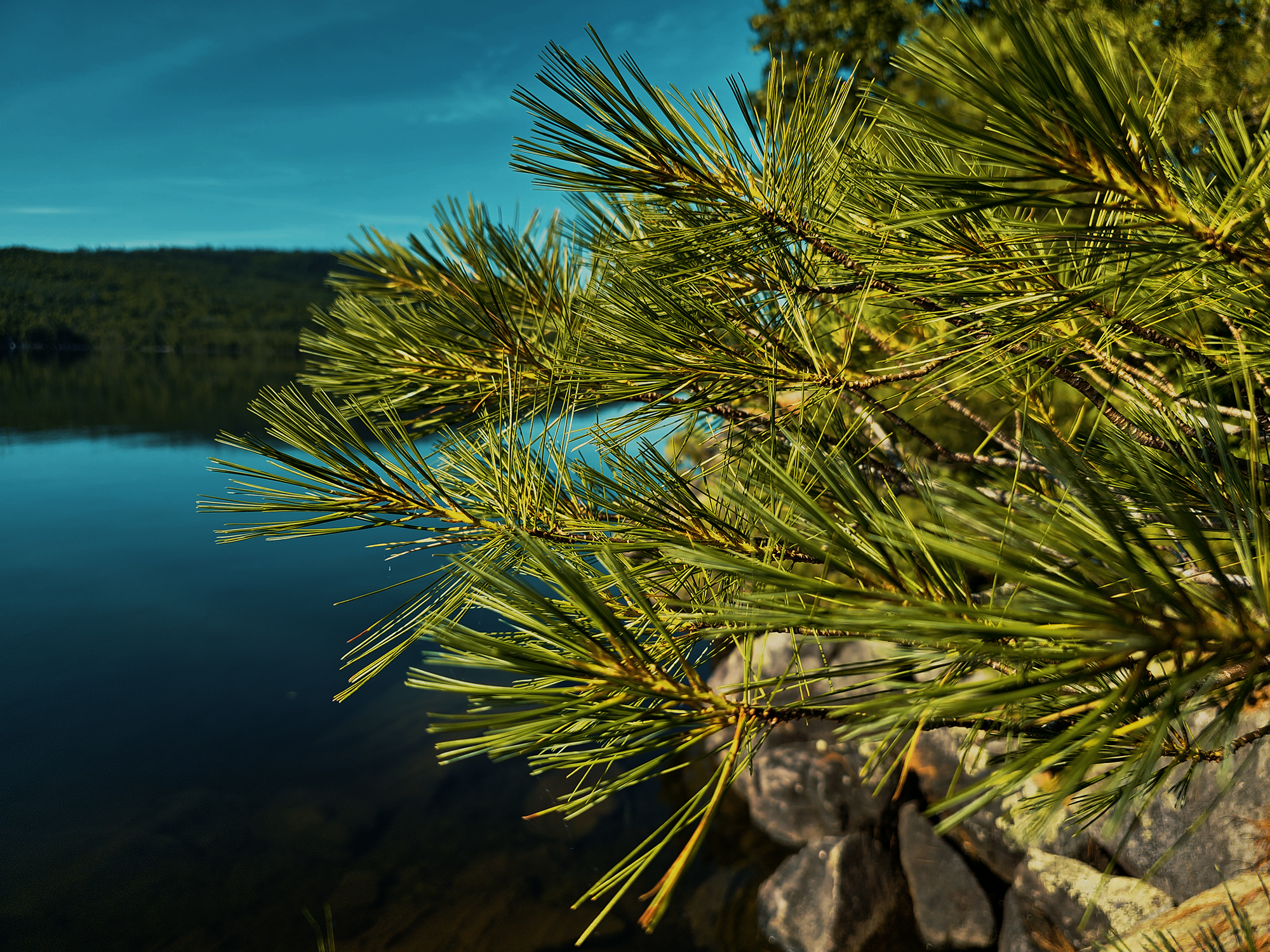
Buried under who knows how many years of pine needles, I saw what could have been old fence posts or boards, but also just as likely could have been old straight logs. I didn’t spend any time investigating; instead, I located a couple of trees a suitable distance apart and hung my hammock. It had been a while, and, as the video reveals, it took me much longer than it should have! After that, I borrowed a page from our Grandfather Mountain trip and cooked hot dogs with my canister stove.
I also brought a can of Moxie.
Someday, I’ll probably go into a long-winded rave about Moxie—you’ve noticed my hat in (almost) every video, haven’t you?—but for now, I’ll just say I don’t often get to enjoy a nice, frosty Moxie since it’s not as inexpensive in the southeast as it is in New England. (By the time I got to my island, set up the hammock, and cooked my hot dogs, this Moxie wasn’t frosty, either, but hey: at least it was still a Moxie!)
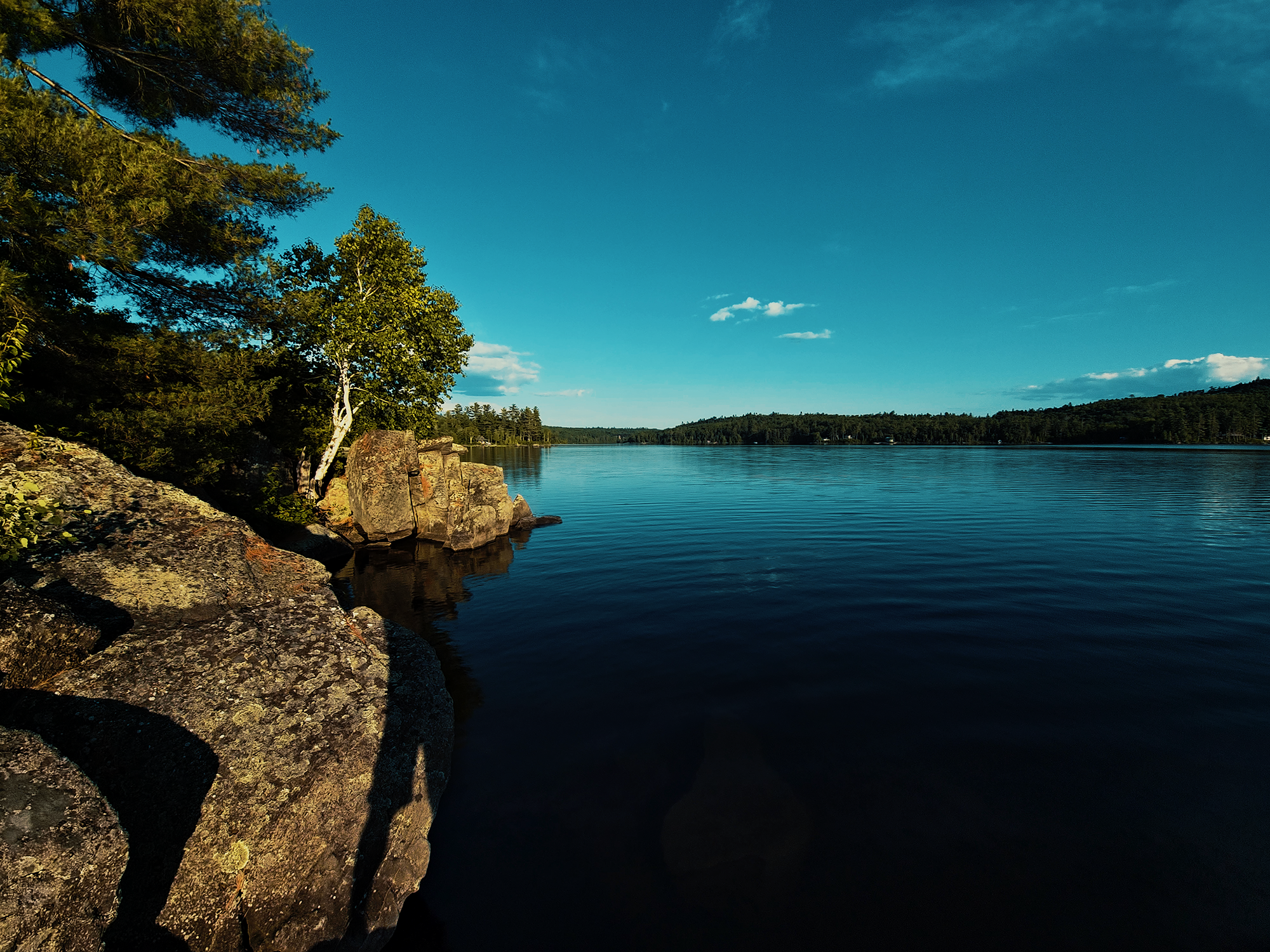
After supper, and after enjoying the quiet twilight, I went to bed. I tried to go to bed: the frogs and insects around me were loud! And some time after dark, I heard what I thought were loons, so I got up and tried to see them, but a) it was dark and b), when they dive, they can stay down for a long time. Of course, now that I had the camera out again, everything fell relatively silent, so I went back to bed.
Day 2
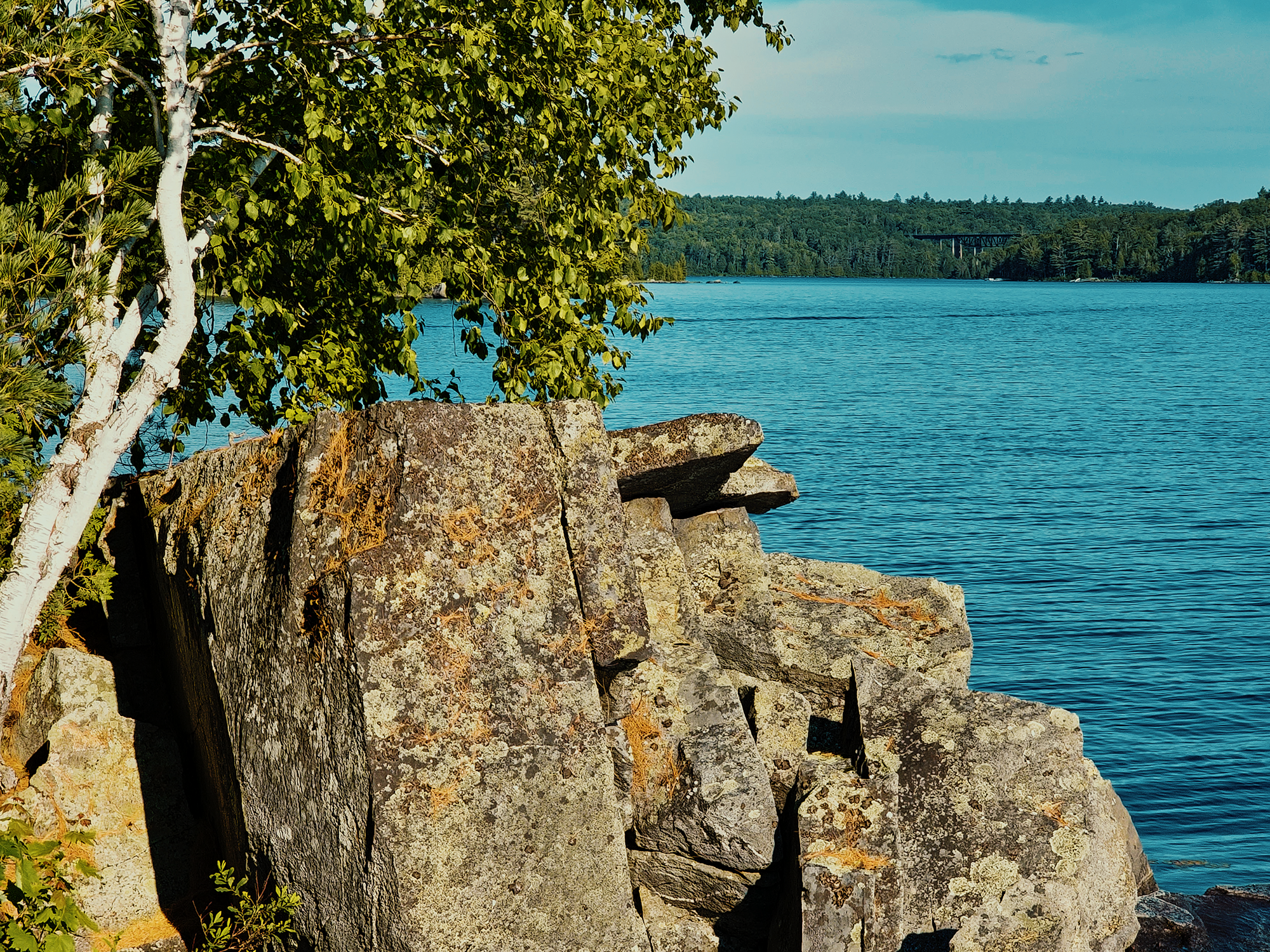
I got up just after the sun and checked on the kayak: right where I left it. Good. I peered out across the lake toward the Onawa Trestle, and—for the first time ever—I heard the sound of a train whistle!
I haven’t walked across the trestle that many times, but it’s more than I can remember, and at no point prior had I ever seen a train on these tracks! My island was about 1.3 mi to the northwest of Ship Pond Stream, so I didn’t get the greatest view of the train, but I did see it. Long ago, passenger engines used this track, but today it’s just freight (as far as I know), likely run by the Canadian company that owns it. Canadian Pacific originally built the trestle out of wood in 1887. Later, that wooden structure was replaced with steel.
I was about to turn around and make breakfast when I noticed a few slender black necks pop out of the water not too far away from me. Loons! Maybe the ones who’d been making all that racket the night before? If you’ve never heard the call of a loon before, it’s, well, it’s spooky. And awesome. I didn’t manage to get any great photos of them, but here’s the best crop I could manage:
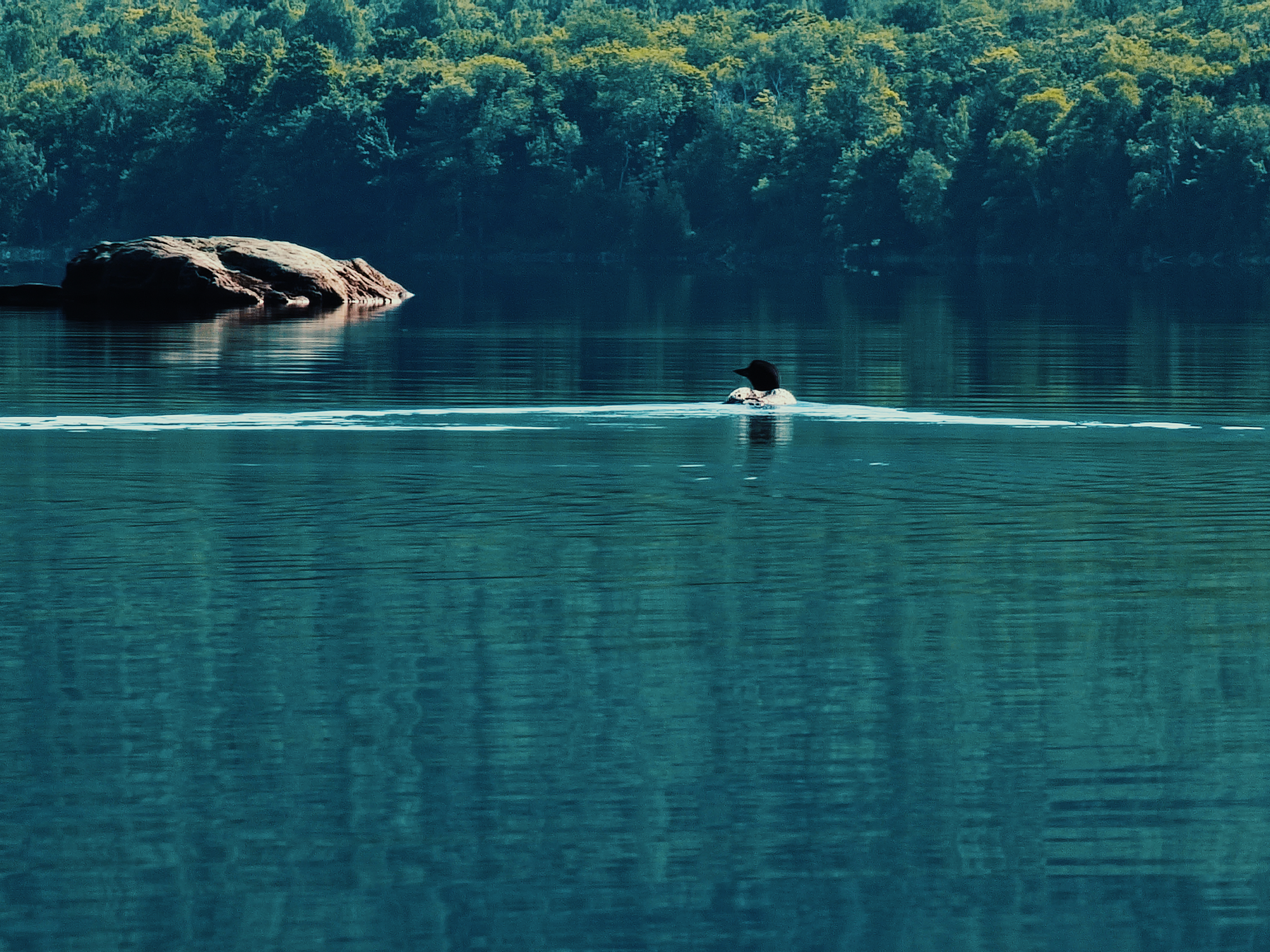
Loons remind me of my grandmother—no, she wasn’t crazy! She used to sit in her screened-in porch on Sebec Lake (about 10 mi southeast as the crow—or maybe the loon—flies) and listen to their song for hours.
The loons dipped below the water and disappeared, so I finally made breakfast. Oatmeal with walnuts, cranberries, and cinnamon. Good stuff. Afterward, I explored what little of the island remained accessible. That took almost no time, since most of the island was covered with thick scrub and mature pines.
I packed up all my stuff, strapped my pack onto the kayak, and almost fell in the lake. Crisis averted, I climbed in and paddled toward Duck Cove and the Onawa Trestle.
As I got closer to the trestle, I could hear the sound of rushing water. I’d forgotten about the “historic Onawa dam” at the head of Ship Pond Stream! I thought that was it, that I wouldn’t be able to put in anywhere to get to the trestle. It’s possible that someone more skilled than I am could have just run the rapids over the dam, but it’s my sister’s kayak, and I didn’t want to risk damaging it. Also, I’m not that skilled.
That’s when I spotted an opening in the trees for snowmobiles. I paddled in between some rocks, dropped my phone in the water—oh no!—then beached the kayak and took the trail toward the base of the trestle. On the way, I noticed a little spur toward a better view of the “dam.” I don’t know what it looked like in its heyday, but now it’s little more than a mortared stone (concrete?) wall mostly buried in the water. Still, I always like seeing glimpses of the history that helped shape a place.
Onawa Trestle
Maybe you’re wondering why Lake Onawa is also called Ship Pond? Or maybe you would be wondering that if I’d said anything about it earlier? I don’t know if this is canonical, but I’ve heard that the trees surrounding this body of water grew peculiarly straight and made excellent masts for ships. Given the region’s logging history, it’s not beyond the pale to assume such a claim might be true.
Because my phone had fallen in the lake, I turned it off, so I didn’t get any still photos of the trestle. I’ve posted a few screen captures from video footage below:
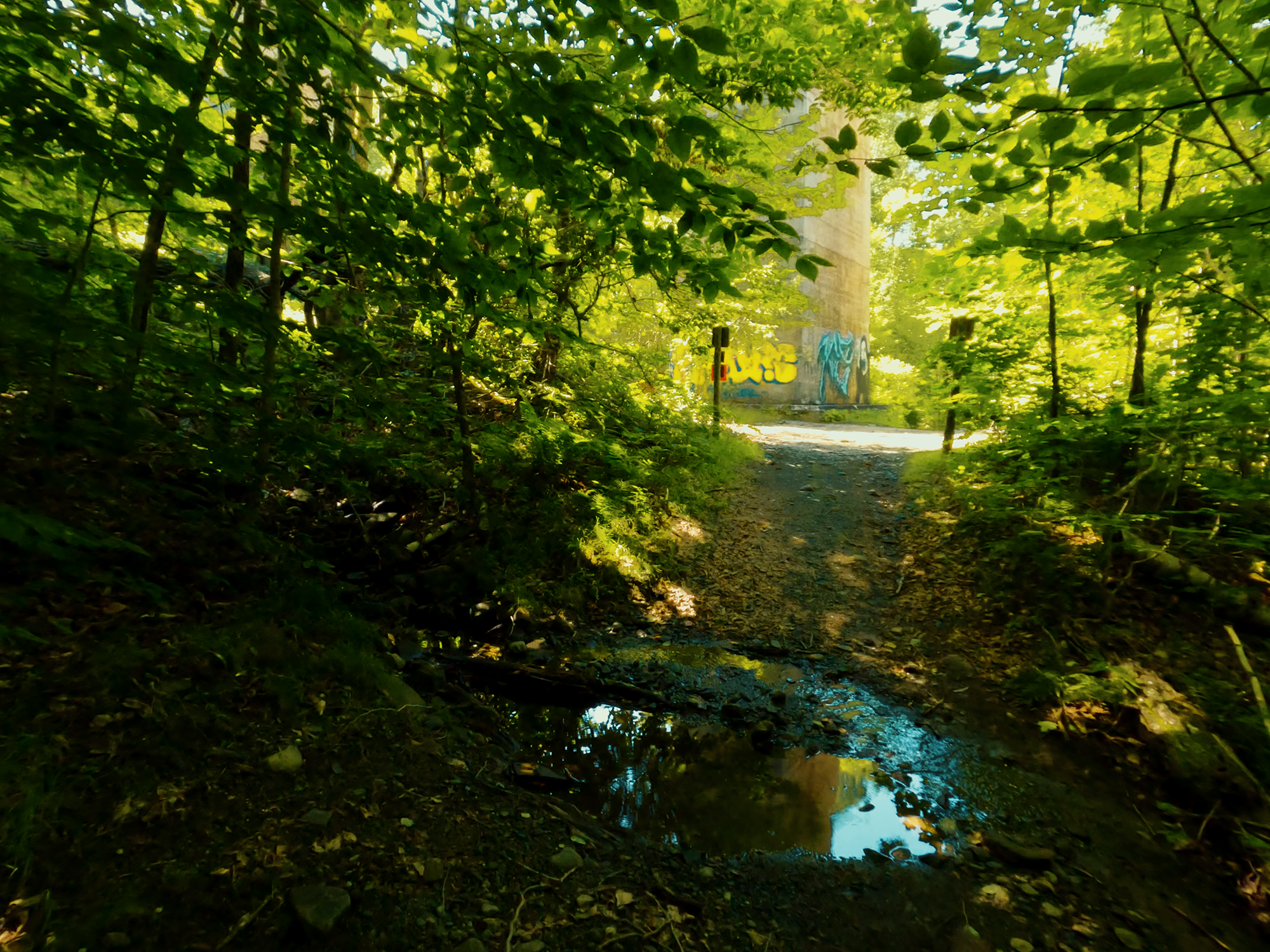
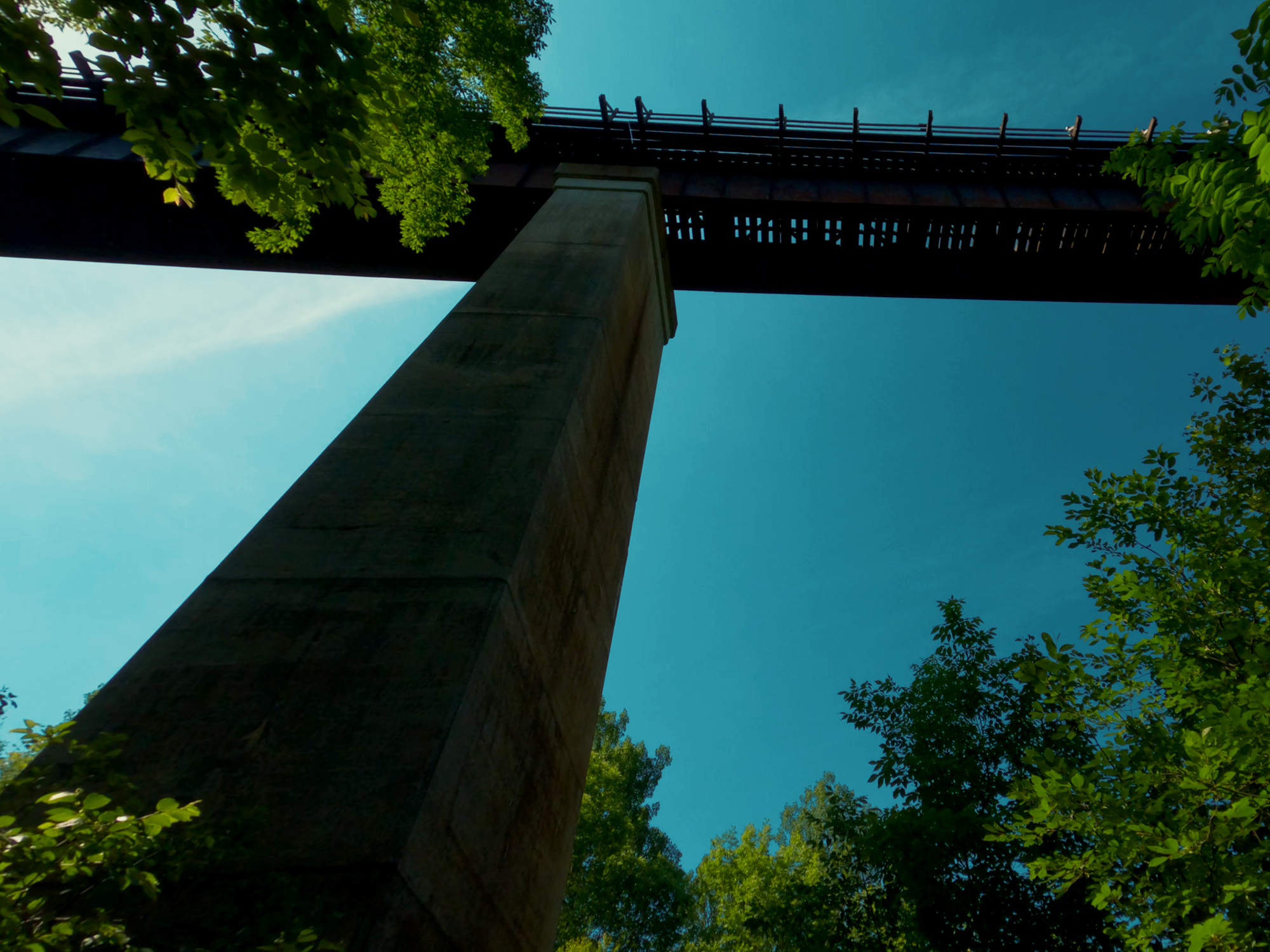
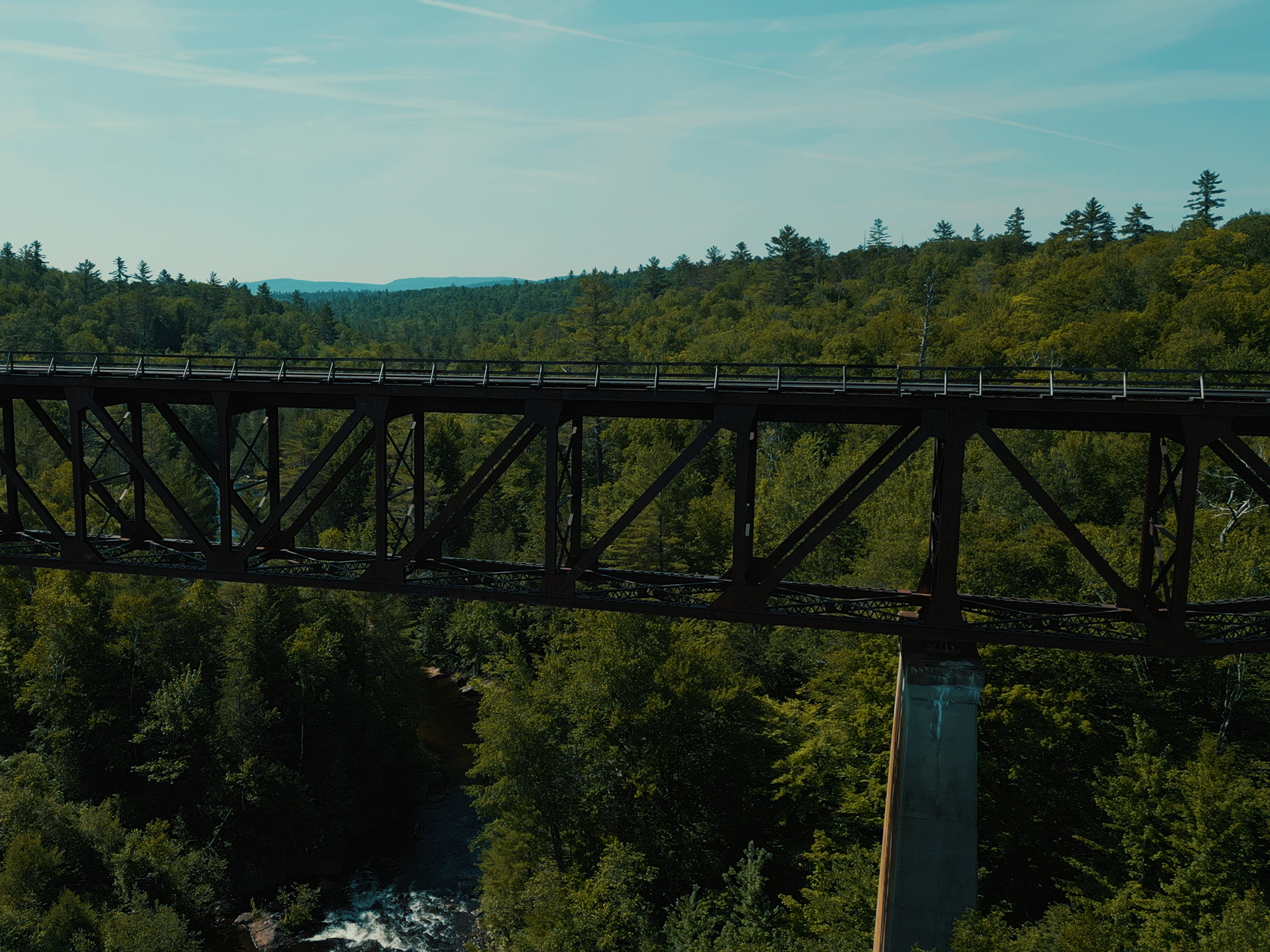
The Ship Pond Viaduct (the other name for the Onawa Trestle) is Maine’s tallest and longest: it rises 130 ft in the air and measures 1,230 ft long. If you walk across it (which, technically, you’re not supposed to do: it’s trespassing), you’ll see remnants of older narrow-gauge track still nestled between modern rails.
Or, uh, so I’ve heard.
On December 20, 1919, two trains collided head-on not too far from this place. Train No. 39, a passenger engine, was heading west; Train No. 78, loaded with freight, was heading east. In part because of signal operator fatigue—they were 13 hours into a 16-hour shift—they relayed incorrect information: they thought No. 39 was running 8 hours late (instead of 5 hours), so they sent No. 78 down the track. When they met at 0714 hrs, No. 78, having more mass, seemed to swallow No. 39, according to witnesses. Seventeen people died instantly: that total rose to twenty-three over the next few days.
Of course there’s more to Lake Onawa and its surrounding environment. I suppose that’s likely true of any place. After wrapping up, I got back in the kayak and paddled back to the boat launch. I’d like to spend another night on a different island out here someday. Maybe toward the northern end of the lake. People toss around the phrase “hidden gem” a bit haphazardly I think, but maybe I need to adjust my thinking: such a phrase definitely describes Lake Onawa and all its splendor.
Catch the whole adventure on YouTube! Please consider subscribing (if you haven’t already). Thanks for stopping by!
Pingback Hiking Borestone Mountain (ME)
Pingback Hiking Borestone Mountain—but in the winter this time! (ME)
Pingback Hiking part of the AT over Barren Mountain (ME)
Pingback Kayaking down the Deep River past Mermaid Point (NC)